Blog
Can You Replace an Oil Boiler? What the Installation Involves
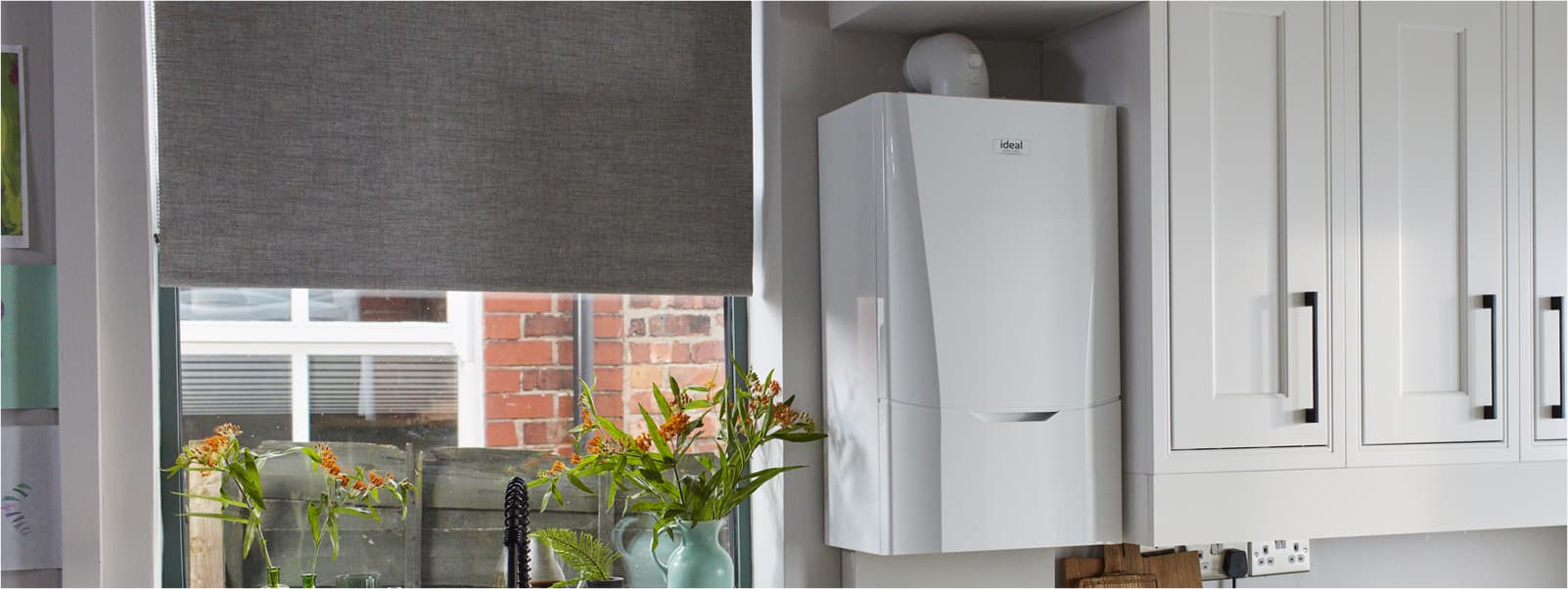
Can you replace an oil boiler?
Yes, but an oil boiler replacement is not simply a like-for-like appliance swap. The boiler is one part of a complete heating system, and the installation needs to account for how oil reaches the burner, how combustion gases leave the property, and how heat is distributed through your radiators and hot water cylinder.
Here at Stag Plumbing & Heating, we carry out oil boiler work and hold OFTEC registration. For homeowners in Oakham, Stamford, Uppingham, Melton Mowbray and nearby villages, that means the replacement starts with understanding the whole installation rather than choosing a boiler from the appliance alone.
For a brief overview of our boiler replacement service, you can view the main service page. The important detail is what has to be checked around an oil boiler before the new unit is fitted.
What we assess before removing the old boiler
The boiler position and flue route
The existing position may be suitable, but it should not be assumed. We look at access, the space around the boiler, the condition of the exhaust pipe (flue) and where waste gases leave the property. A replacement may need a different exhaust-pipe arrangement or adjustments to the surrounding pipework and supports.
This matters because the boiler must have the correct route for exhaust gases and adequate space for safe operation and future servicing. A neat installation is not just about appearance. It also leaves the appliance accessible for inspection and maintenance.
The oil tank and fuel supply
An oil boiler relies on a dependable fuel supply. We assess the route from the tank to the boiler, including the oil line, shut-off points and connections. The tank itself can also affect the replacement decision. Its position, condition and relationship to the boiler may determine whether the existing arrangement can remain or whether related work is needed.
A new appliance cannot perform reliably if the fuel supply is restricted, contaminated or poorly supported. Problems in this area can cause the boiler to shut itself down, the fuel to burn incorrectly or the heating to stop repeatedly, even when the boiler itself is new.
The heating and hot water system
We also consider how the boiler connects to the rest of the property. That includes the radiators, the pump that moves heated water, the controls, the hot-water cylinder and the main connecting pipes where applicable. A boiler that is correctly sized for the building still needs the surrounding system to transfer heat properly.
If radiators contain sludge or the system has restricted circulation, installing a new boiler alone may not deliver the improvement you expect. We can discuss whether system flushing, radiator balancing or control changes would help the replacement operate more effectively. These decisions depend on the condition and layout of your individual system, not simply on the age of the boiler.
What happens during an oil boiler replacement
Once the scope is agreed, we isolate the relevant services and remove the old appliance safely. The replacement is then positioned with attention to flue requirements, access and the connections needed for the fuel, heating and hot water circuits.
Some installations need pipework alterations because modern appliances do not always match the dimensions or connection points of older models. That is normal, but it should be identified before work starts so the installation is planned properly rather than improvised around the boiler.
We then connect the boiler to the existing system or to any agreed upgrades. Controls are checked as part of this process. A boiler may be capable of efficient operation, but the controls determine how accurately the system responds to demand and how easily you can manage heating and hot water.
Commissioning is where the installation is proven
Fitting the appliance is only part of the job. We carry out safety and performance checks, including checking that the fuel is burning safely, checking the exhaust pipe and carrying out pressure checks relevant to the system. We test the boiler while it is operating so we can assess how it performs under working conditions rather than simply switching it on and leaving it running.
We also check that heat reaches the system as intended and that the controls, hot water operation and safety functions respond correctly. Any handover information and paperwork should be kept with your heating records, particularly when future servicing or fault finding is required.
The right replacement depends on the existing installation
An oil boiler can be replaced, but the correct approach depends on more than the appliance fuel type. The condition of the tank, the flue route, the pipework, the hot water arrangement and the way your property is heated all influence the work involved.
That is why we assess the installation at your property in Oakham or the surrounding area before recommending a replacement. If your oil boiler is no longer reliable, contact Stag Plumbing & Heating on 07847 323290 or email office@stagplumbingandheating.co.uk to discuss the system and arrange a clear quotation.
Other Articles